Accessible Margaret River: 5 Best Barrier-Free Natural Wonders
Accessible Margaret River
The Margaret River region is known for its rugged coastline and ancient forests, and several major attractions include accessible paths, facilities or experiences. The level of access differs between locations, so checking the details before travelling can make a visit much easier.
Whether you travel with a mobility aid, use a pram or prefer gentler walking routes, these five places provide worthwhile options. Individual requirements vary, so contact each attraction before visiting if you need particular assistance, dimensions or facilities.
1. Mammoth Cave: The Most Accessible Cave in WA
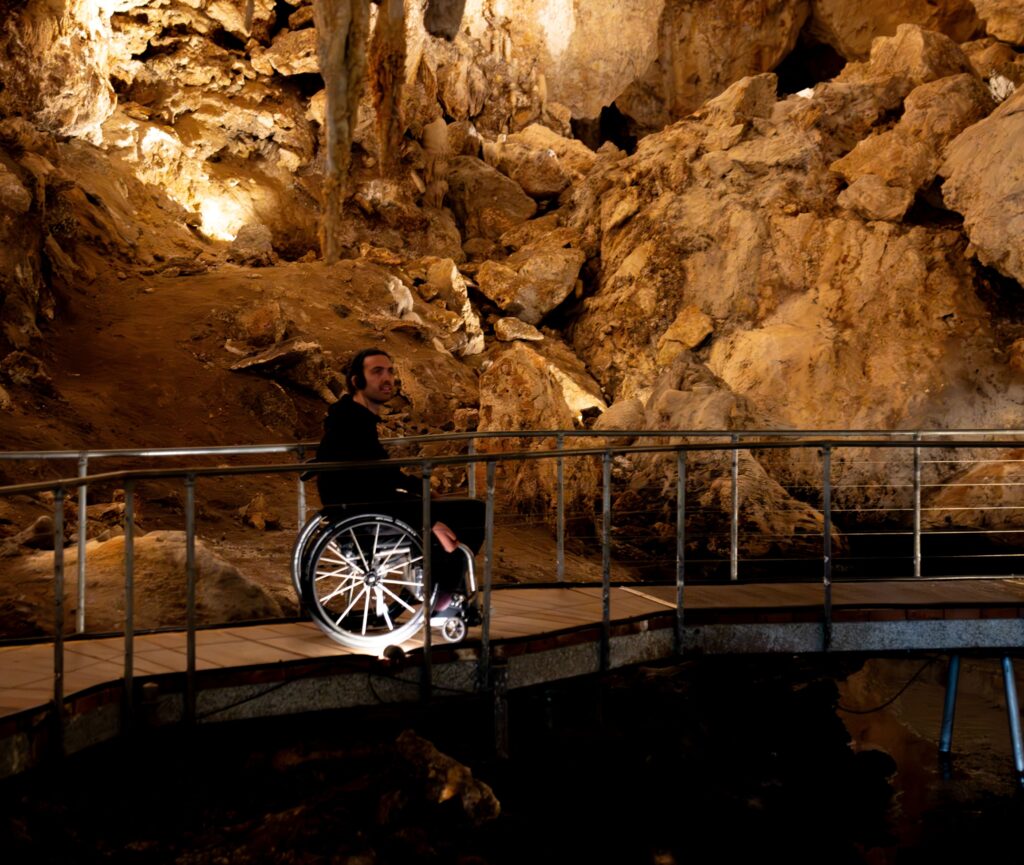
Mammoth Cave offers one of the region’s most accessible underground experiences. Its entrance and first chamber are accessible by wheelchair and mobility scooter via a step-free boardwalk. The remainder of the cave includes narrow paths and many stairs, so visitors who cannot use stairs should plan to explore the first chamber only.
A sturdy boardwalk leads through the marri forest and into the enormous first chamber. The self-guided audio tour lets visitors explore this accessible section at their own pace and see impressive cave formations. Contact the cave before visiting if you have specific access requirements.
2. Busselton Jetty: The Electric Train Experience
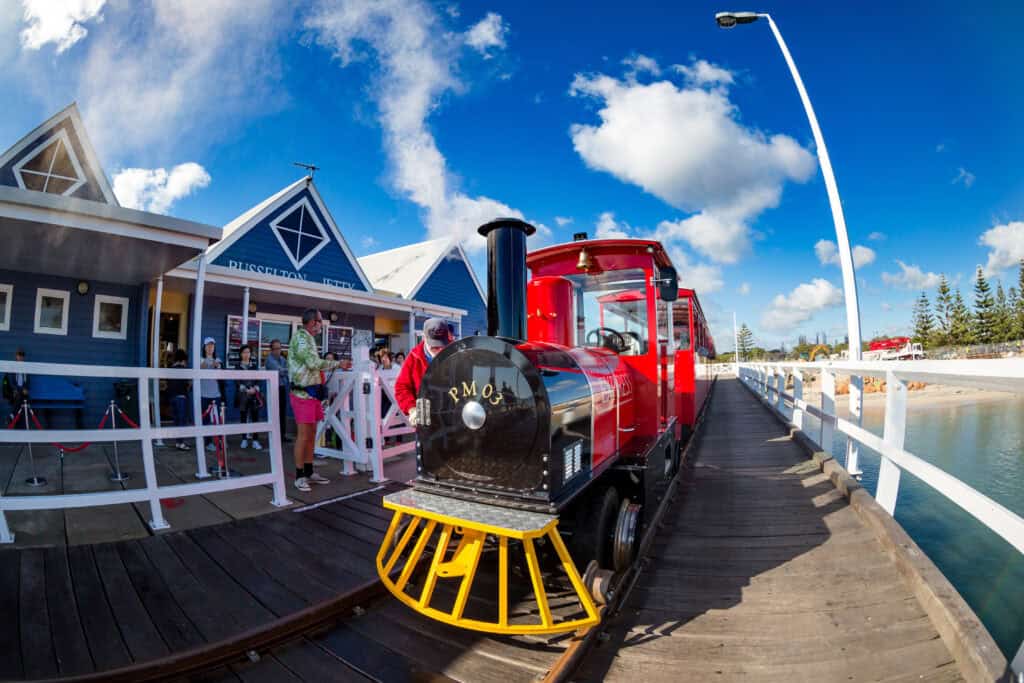
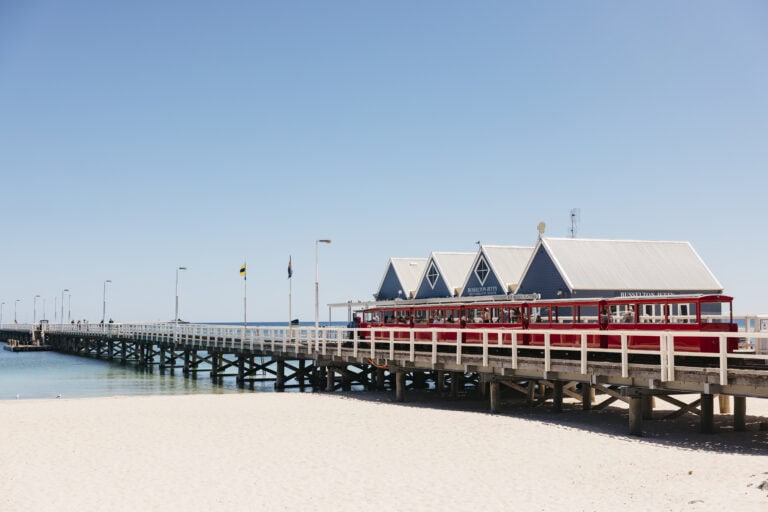
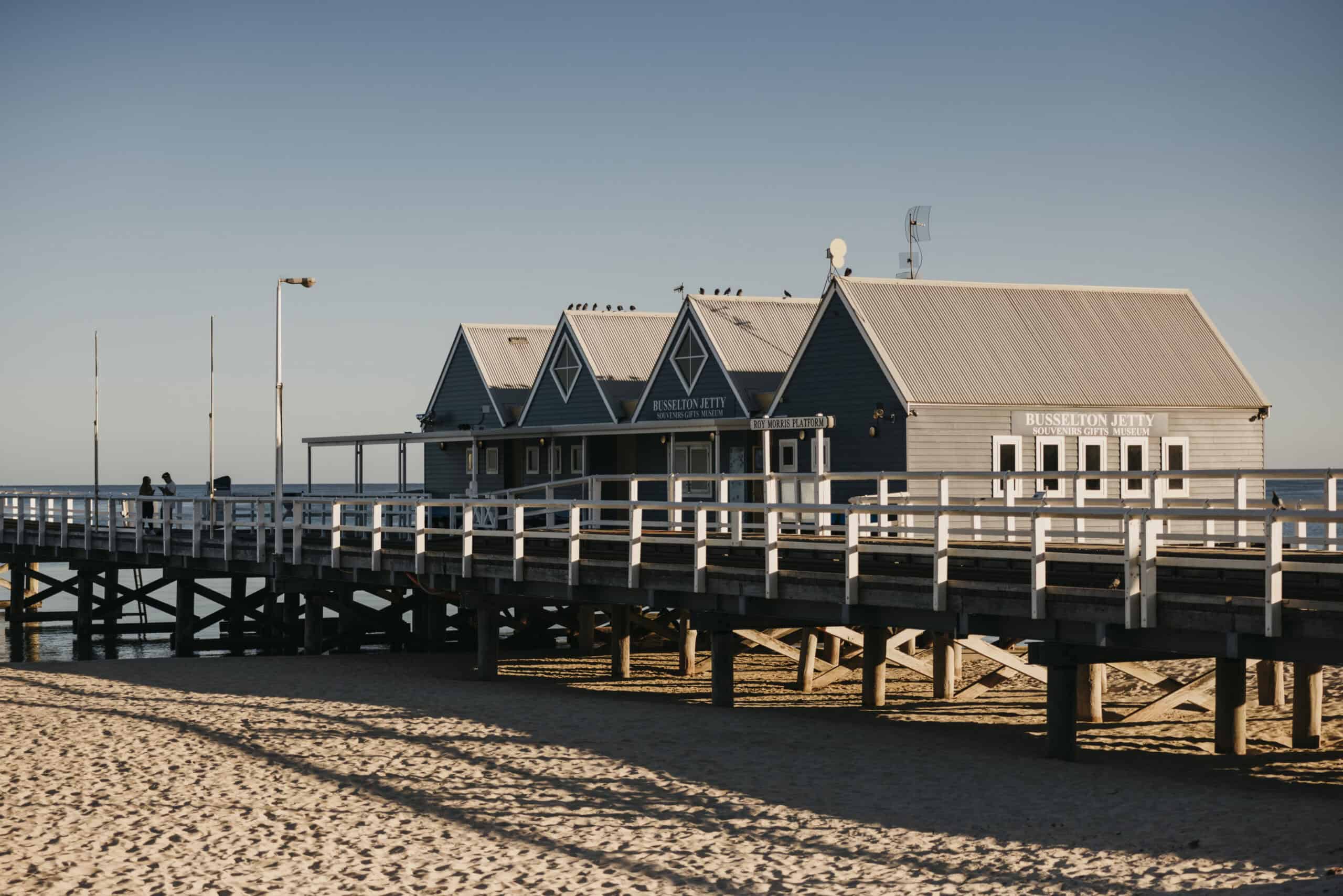
The Busselton Jetty stretches 1.8km over turquoise waters, holding the title of the longest timber-piled jetty in the Southern Hemisphere. For those who find the nearly 4km round-trip walk daunting, the Stocker Preston Express is a game-changer for Accessible Margaret River visitors.
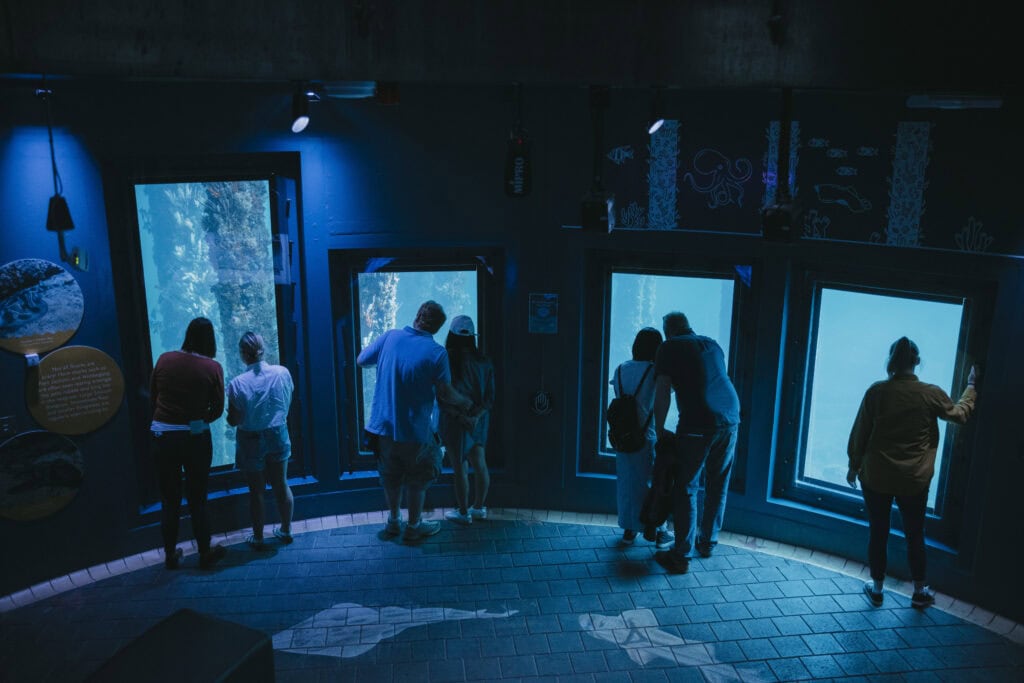
The train has an 800 mm-wide middle doorway and a designated wheelchair area. Select the wheelchair option when booking so staff can reserve the required space; prams are not permitted aboard. At the Underwater Observatory, a lift is available for visitors who cannot use its 60 stairs. Services may be affected by weather and availability, so check current operating information before travelling.
3. Cape to Cape: The “Access for More” Trail
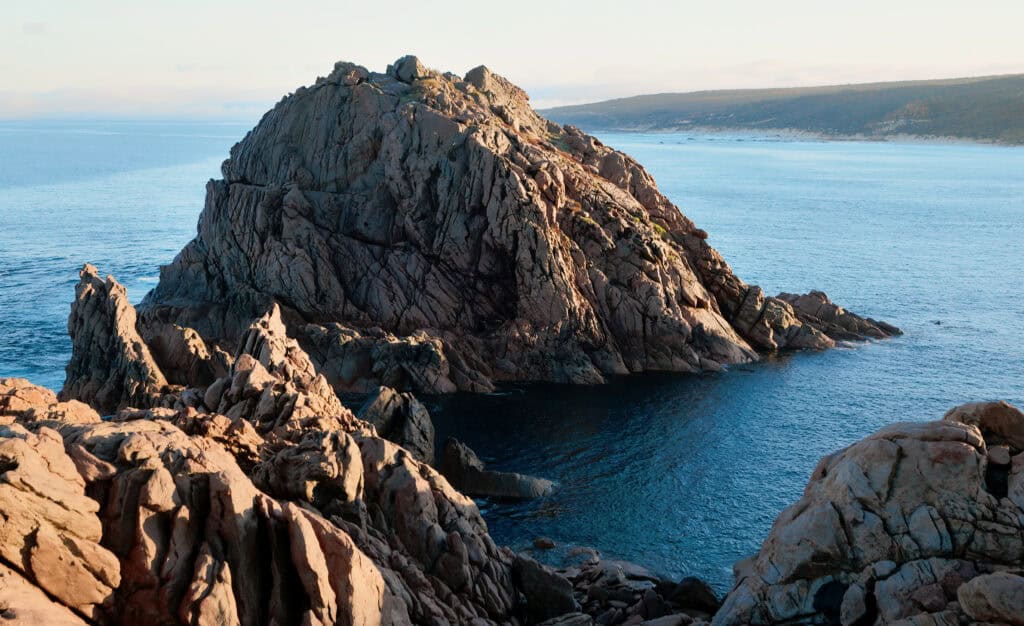
The Cape to Cape Track is known for rugged terrain, but an accessible section of approximately 3.5–3.7 km runs between Cape Naturaliste Lighthouse and Sugarloaf Rock. Official information describes it as suitable for assisted wheelchairs, prams and mobility scooters.
This section uses sealed surfaces and timber boardwalks, with accessible lookouts, seating and toilets at both ends. Conditions and individual access needs vary, so visitors using a wheelchair may wish to travel with assistance and confirm conditions before setting out.
4. Cape Naturaliste Lighthouse: Easy Whale Watching
The Cape Naturaliste Lighthouse tower has 59 stairs and is not wheelchair accessible. However, visitors can still enjoy the historic precinct, ocean views and accessible coastal paths without climbing the tower. Confirm current access arrangements with the lighthouse before visiting.
The accessible Cape-to-Cape section begins near the lighthouse and offers excellent coastal views. Whale sightings are possible during the migration season, although timing varies each year and wildlife encounters can never be guaranteed.
5. Ngilgi Cave: The Ancient Lands Experience
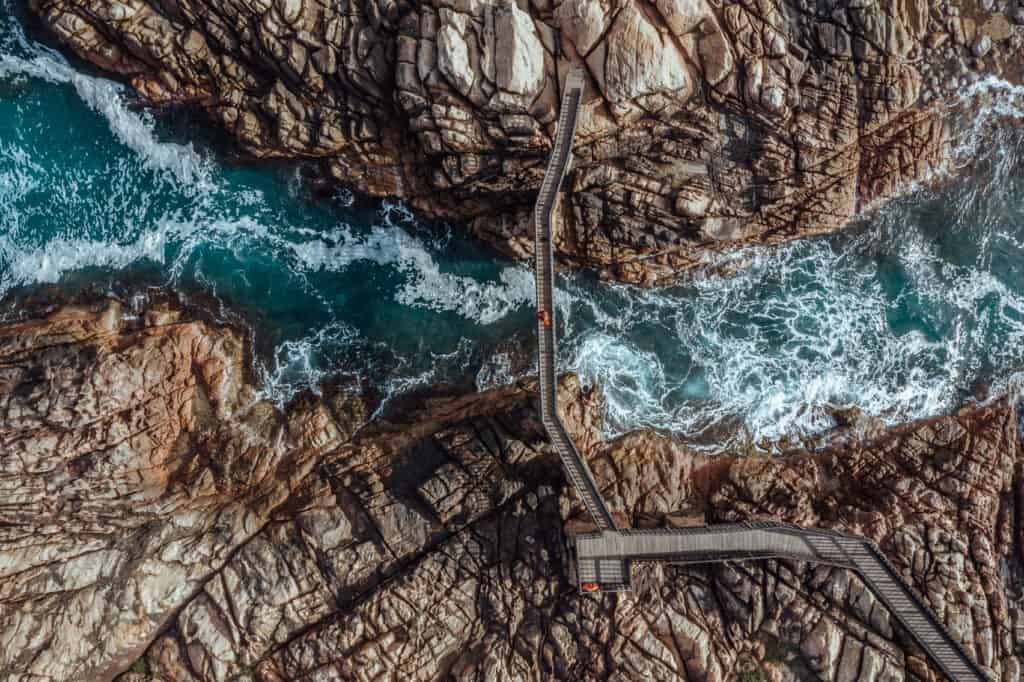
Ngilgi Cave’s underground chambers involve stairs and are not wheelchair accessible. The separate Ancient Lands Experience above ground provides the accessible option at this location.
The self-guided Ancient Lands Experience follows an accessible path through native bushland, with interactive installations explaining the geology and the Wadandi people’s deep connection to Country. Visitors with particular mobility requirements should contact the venue before travelling to confirm current path conditions and facilities.
Estimated reading time: 5 minutes